.png)
.png)
.png)

5 Critical Errors to Avoid: An Expert’s Guide to the Danfoss OMEW Service Manual
décembre 18, 2025
Résumé
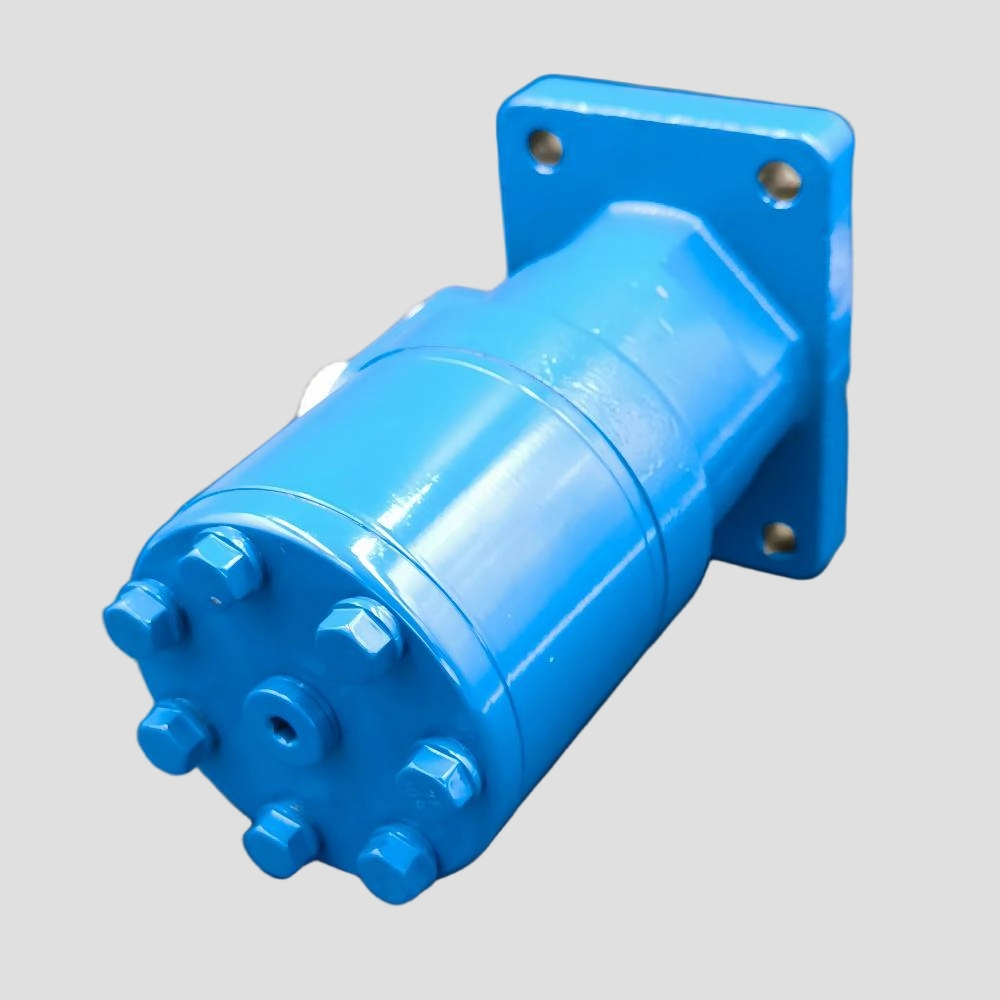
This document provides a comprehensive examination of the proper utilization of the Danfoss OMEW service manual for the maintenance and repair of orbital hydraulic motors. It posits that many premature failures and performance issues stem not from component defects, but from common misinterpretations and procedural errors during service. The analysis focuses on five primary areas of error: fluid selection and contamination control, seal and gasket replacement protocols, diagnostic procedures for performance degradation, management of shaft load and alignment, and adherence to correct assembly/disassembly techniques. By deconstructing the technical specifications and procedural guidelines within the manual, this guide aims to equip technicians and engineers with the foundational understanding necessary to prevent these errors. It synthesizes information from the service manual with broader principles of hydraulic system engineering, emphasizing a proactive and knowledge-based approach to maintenance. The objective is to enhance motor longevity, reduce operational downtime, and improve overall system reliability in demanding industrial and mobile applications.
Principaux enseignements
- Always match hydraulic fluid to the specifications in the Danfoss OMEW service manual.
- Strictly adhere to ISO cleanliness codes to prevent premature wear from contamination.
- Follow precise torque specifications and replacement procedures for all seals and gaskets.
- Use a systematic diagnostic approach to distinguish motor issues from system-wide problems.
- Ensure motor shaft alignment and load are within the manual's specified limits.
- Never deviate from the prescribed assembly and disassembly sequences shown in diagrams.
- Proactive, informed maintenance is more cost-effective than reactive repairs.
Table des matières
- Error 1: Misinterpreting Fluid Selection and Contamination Control
- Error 2: Neglecting Seal and Gasket Replacement Protocols
- Error 3: Improper Diagnosis of Performance Degradation
- Error 4: Overlooking Shaft Load and Alignment Specifications
- Error 5: Incorrect Assembly and Disassembly Procedures
- Foire aux questions (FAQ)
- Conclusion
- Références
Error 1: Misinterpreting Fluid Selection and Contamination Control
Embarking on the maintenance of a sophisticated piece of machinery like a Danfoss OMEW orbit hydraulic motor requires more than just a set of tools; it demands a deep appreciation for the lifeblood of the system: the hydraulic fluid. The service manual is not merely a list of suggestions but a testament to the precise engineering tolerances within the motor. To treat its guidance on fluid as optional is the first, and perhaps most fundamental, error a technician can make. The fluid does more than just transmit power; it cools, it lubricates, and it carries away the microscopic debris of internal wear. Its condition and properties are direct indicators of the health of the entire hydraulic circuit.
Think of the hydraulic system as a living organism's circulatory system. The electric hydraulic pump is the heart, the hoses and tubes are the veins and arteries, and the hydraulic fluid is the blood. If the blood is too thick, too thin, or full of impurities, the entire organism suffers. The same is true for your OMEW motor. Let us explore the nuanced language of the manual to understand why this is not just a matter of procedure, but a principle of hydraulic longevity.
The Language of Fluid Viscosity
When the Danfoss OMEW service manual specifies a certain fluid viscosity, for instance, ISO VG 46, it is communicating a very specific requirement about the fluid's resistance to flow at a given temperature. Viscosity is not a static property. Imagine pouring honey on a cold morning versus a hot afternoon. On the cold morning, it is thick and sluggish; on the hot afternoon, it flows freely. Hydraulic fluid behaves in the same way.
A fluid that is too thick (high viscosity) on a cold start-up in a Russian winter will not flow easily into the tight clearances of the orbital gear set. This can lead to lubricant starvation, cavitation, and a massive increase in the energy required from the pump just to get the system moving. Conversely, a fluid that is too thin (low viscosity) in the sweltering heat of a Middle Eastern construction site will fail to maintain an adequate lubricating film between moving parts. This results in metal-to-metal contact, accelerated wear, and a significant drop in volumetric efficiency, meaning the motor produces less torque for the same amount of flow.
The manual provides a range of acceptable viscosities for continuous operation, typically between 20 and 75 centistokes (cSt). It is your responsibility to select a fluid whose properties, documented on its own technical data sheet, fall within this range at the actual operating temperature of your machine. This requires considering ambient temperatures, machine duty cycle, and the efficiency of the system's cooling circuit. A high-quality fluid with a high Viscosity Index (VI) will be more stable, changing its viscosity less with temperature fluctuations, which is a desirable trait for equipment operating in variable climates like those found across South Africa.
The Unseen Enemy: Contamination
The second pillar of fluid management is contamination control. The internal components of an OMEW motor are machined to tolerances measured in microns. A single particle of sand, a fleck of metal, or a drop of water can act like an abrasive, scoring surfaces and destroying seals. The service manual will specify a maximum fluid cleanliness level, expressed as an ISO 4406 cleanliness code (e.g., 20/18/15). This code represents the number of particles of different sizes found in a sample of fluid.
| ISO 4406 Cleanliness Code | Particle Count per mL (>4µm) | Particle Count per mL (>6µm) | Particle Count per mL (>14µm) | Typical Application |
|---|---|---|---|---|
| 22/20/17 | 20,000 – 40,000 | 5,000 – 10,000 | 640 – 1,300 | New, unfiltered oil as delivered |
| 20/18/15 | 5,000 – 10,000 | 1,300 – 2,500 | 160 – 320 | General hydraulic systems |
| 18/16/13 | 1,300 – 2,500 | 320 – 640 | 40 – 80 | High-pressure industrial hydraulics |
| 16/14/11 | 320 – 640 | 80 – 160 | 10 – 20 | High-performance servo systems |
As the table illustrates, achieving the required cleanliness is an active process. It is not enough to simply pour in new oil; new oil is often dirtier than the standard required for high-performance hydraulic motors (HoseBox, 2023). Effective contamination control involves:
- Filtration: Using high-quality filters on the pressure and return lines, as specified by the system designer. The filter's beta rating indicates its efficiency at capturing particles of a certain size.
- Air Breathers: Ensuring the hydraulic reservoir is equipped with a high-efficiency breather to prevent atmospheric dust and moisture from being drawn into the system.
- Proper Storage and Handling: Storing hydraulic fluid in sealed, clean containers and using dedicated, clean transfer equipment.
- System Flushing: Thoroughly flushing the entire system after any component failure or major service to remove generated contaminants.
Water is another insidious contaminant. It can enter through worn seals or condensation in the reservoir, especially in humid climates like Southeast Asia. Water compromises the fluid's lubricity, promotes rust, and can lead to the formation of sludge.
Consequences of Negligence
Failing to heed the manual's guidance on fluid selection and contamination has predictable and costly results. The initial signs might be subtle: a slight increase in motor case temperature, a barely perceptible loss of speed under load, or a faint whine from the pump. Over time, these symptoms worsen. Seals begin to weep, then leak. The motor's torque output drops noticeably. Eventually, a catastrophic failure occurs—a seized gear set, a fractured shaft—leading to costly downtime and a complex, system-wide cleanup operation. Adhering to the fluid specifications in the Danfoss OMEW service manual is the most effective form of preventative medicine for your hydraulic system.
Error 2: Neglecting Seal and Gasket Replacement Protocols
Within the architecture of a hydraulic motor, seals and gaskets are the humble, often overlooked components that perform a task of immense significance. They are the gatekeepers, containing immense pressures, preventing the ingress of contaminants, and ensuring the clean separation of internal fluid pathways. The Danfoss OMEW service manual dedicates precise instructions and part numbers to these components for a reason. To view seal replacement as a simple task of "out with the old, in with the new" is a grave underestimation of their role and the precision required for their installation. This error often leads to recurring leaks, contamination, and a frustrating cycle of repeated repairs.
A successful seal replacement is a demonstration of mechanical empathy. It requires understanding the material you are working with, respecting the forces it must endure, and following a procedure that ensures it can perform its function without compromise for its entire expected service life.
The Material Science of Seals
The service manual will list specific part numbers for each seal kit. This is not an attempt by the manufacturer to monopolize the spare parts market. It is a critical piece of information that corresponds to a specific material compound engineered for the OMEW motor's operating parameters. The most common materials are Nitrile (Buna-N) and Fluoroelastomer (Viton).
- Nitrile (NBR): This is a general-purpose material with good resistance to standard petroleum-based hydraulic fluids. It has a typical operating temperature range of -35°C to 120°C. It is cost-effective and suitable for a wide range of applications.
- Viton (FKM): This is a high-performance material used for applications involving higher temperatures (up to 200°C) or more aggressive fluids, such as certain synthetic esters. It offers superior chemical resistance but comes at a higher cost.
Using a standard Nitrile seal in an application that calls for Viton will result in rapid degradation. The seal will swell, harden, or become brittle, losing its ability to conform to the sealing surfaces and leading to failure in a fraction of the expected time. Always trust the part number in the Danfoss OMEW service manual.
The Step-by-Step Procedure: More Than Just Swapping Parts
The process of replacing a shaft seal, for example, is a delicate operation. Let's walk through it as a mental exercise, focusing on the details that matter.
- Disassembly: After removing the motor's end cover according to the manual's sequence, you gain access to the old seal. Do not use a sharp screwdriver or metal pick to pry it out. This will almost certainly scratch the seal bore in the housing, creating a new leak path that the new seal cannot possibly fill. The manual will recommend a specific seal removal tool or a careful technique using a blunt, non-marring instrument.
- Inspection and Cleaning: Once the old seal is out, the work has just begun. Meticulously clean the seal bore and the shaft. Inspect both surfaces for any scratches, burrs, or corrosion. A surface that does not feel perfectly smooth to your fingertip is not suitable for a new seal. Minor imperfections can sometimes be polished out with a very fine emery cloth, but deep scratches may render the housing or shaft unusable.
- Preparation of the New Seal: Before installation, lightly lubricate the new seal's inner and outer diameters with clean hydraulic fluid of the same type used in the system. A dry seal can be damaged during installation as it is forced over sharp edges or into a tight bore.
- Installation: The new seal must be installed perfectly square to the bore. Never use a hammer to directly tap it into place. The service manual will recommend using a seal press tool, which is a cylindrical driver with a diameter slightly smaller than the seal's outer diameter. This tool ensures that pressure is applied evenly around the seal's metal casing, preventing it from distorting. Press it in until it is seated at the correct depth specified in the manual.
Ignoring Torque Specifications: A Recipe for Leaks
When reassembling the motor housing, the bolts that hold the sections together must be tightened to a specific torque value and in a specific pattern, both of which are detailed in the service manual. Imagine tightening the lug nuts on a car wheel. If you tighten one nut completely before starting the others, the wheel will be seated unevenly. The same principle applies to the motor's housing.
The torque specification ensures that the correct amount of clamping force is applied to the housing gaskets.
- Under-tightening: The clamping force is insufficient to compress the gasket properly, creating a direct path for high-pressure fluid to escape.
- Over-tightening: This can be even more damaging. Excessive force can crush the gasket, destroying its structure and ability to seal. It can also distort the precision-machined housing components, potentially causing internal parts to bind. Even worse, it can stretch the bolts beyond their elastic limit, permanently weakening them and making them prone to failure under pressure spikes.
The manual will specify a star or crisscross pattern for tightening the bolts. This ensures the clamping force is applied evenly across the face of the housing, allowing the gasket to compress uniformly and create a perfect, durable seal. Skipping this step or simply "tightening by feel" is to gamble with a machine's reliability.
Error 3: Improper Diagnosis of Performance Degradation
When a machine powered by a Danfoss OMEW motor starts to slow down, exhibit jerky movements, or fails to produce the required force, the immediate impulse is often to blame the motor itself. This is a classic diagnostic error—focusing on the symptom rather than the system. The orbit hydraulic motor is but one component in a complex hydraulic circuit. Its performance is entirely dependent on the quality, pressure, and volume of the fluid delivered to it by the electric hydraulic pump and controlled by the system's valves. A proper diagnosis, guided by the troubleshooting sections of the Danfoss OMEW service manual, requires a systematic and logical approach to isolate the true root cause of the problem.
Blaming the motor without a thorough investigation is like a doctor blaming the leg for a limp without checking the patient's back or brain. It often leads to the unnecessary and expensive replacement of a perfectly functional motor, while the underlying problem remains, ready to damage the new component.
Differentiating Mechanical Wear from Hydraulic Issues
The first step in any diagnosis is to determine if the problem is hydraulic (related to fluid flow and pressure) or mechanical (related to the motor's internal components). The service manual's troubleshooting chart is an invaluable tool for this process.
| Symptôme | Potential Hydraulic Cause | Potential Mechanical Cause (Motor) | Diagnostic Step |
|---|---|---|---|
| Motor will not rotate | No flow from pump; Relief valve stuck open; Directional control valve failure. | Seized Gerotor set; Sheared drive link; Broken output shaft. | Check for pressure and flow at motor inlet ports. |
| Motor runs slow | Worn pump (low flow); Relief valve set too low; System leakage. | Excessive internal leakage (worn Gerotor set, valve plate). | Perform a case drain flow test on the motor. |
| Jerky/erratic operation | Air in the hydraulic fluid; Sticking control valve spool. | Worn or damaged splines on drive link; Severe Gerotor wear. | Bleed the system; Inspect control valve; Check case drain for pulses. |
| Motor has low torque | Low system pressure; Worn pump; Excessive backpressure in return line. | High internal leakage; Worn Gerotor or valve plate. | Verify system pressure under load; Check case drain flow. |
A key diagnostic technique mentioned in the table is the case drain flow test. The case drain line is a low-pressure hose that returns internal leakage fluid from the motor housing back to the reservoir. All hydraulic motors have some amount of internal leakage; it is necessary for lubrication. The service manual will specify the maximum allowable case drain flow rate for a new motor and a worn motor at a given pressure. By disconnecting the case drain line and measuring the flow into a container over a set time, you can directly assess the motor's internal condition. If the flow is excessive, it confirms that the motor is worn and is the source of the problem. If the flow is within specification, the motor is likely healthy, and the problem lies elsewhere in the system (Barringer & Associates, as cited in Kehuanpumps.com, 2022).
The Sound of Trouble: Interpreting Motor Noises
An experienced technician learns to listen to a machine. Abnormal sounds are often the earliest indicators of a developing problem. The Danfoss OMEW service manual can help you translate these sounds into actionable diagnoses.
- A high-pitched whine: This sound, often originating from the pump but audible throughout the system, is a classic sign of aeration (air being drawn into the system, perhaps through a loose fitting on the pump's suction line) or cavitation (the formation and collapse of vapor bubbles due to insufficient inlet pressure). Cavitation sounds like pumping gravel and is extremely destructive, capable of eroding the hardened steel surfaces inside the motor and pump (Kehuanpumps.com, 2022).
- A rhythmic knocking or clicking: This often points to a mechanical issue inside the motor. It could be a damaged bearing, a broken spring, or severe wear on the Gerotor set's lobes. The frequency of the sound may change with the motor's speed.
- A loud "bang" or "thump" during operation: This can indicate a severe pressure spike in the system, often caused by a malfunctioning relief valve or the sudden closing of a control valve. While not a motor fault, these pressure spikes can cause catastrophic damage to the motor's shaft or housing.
Measuring Performance: Flow, Pressure, and Temperature
Your senses are valuable tools, but they must be confirmed with quantitative data. To truly diagnose a hydraulic system, you need gauges.
- Pressure Gauges: Install gauges at the pump outlet, the motor inlet ports, and the motor case drain line. Comparing the pressure at the pump to the pressure at the motor reveals any significant pressure drop in the lines or valves. Measuring the pressure while the motor is stalled under load will test the system's main relief valve setting.
- Flow Meter: A portable flow meter is a powerful diagnostic tool. Placed in-line before the motor, it can verify if the pump is delivering the specified flow rate. Comparing the inlet flow to the motor's rotational speed can help calculate its volumetric efficiency.
- Infrared Thermometer: Temperature can reveal much about a system's health. An unusually hot motor case can indicate excessive internal leakage or insufficient cooling. A hot spot on a hose or valve could point to a restriction.
By using the service manual as a guide and combining it with a systematic process of elimination, careful observation, and precise measurement, you can diagnose performance issues accurately, saving time, money, and the frustration of replacing the wrong part.
Error 4: Overlooking Shaft Load and Alignment Specifications
The output shaft of a Danfoss OMEW motor is the point where hydraulic power is converted into useful mechanical work. It is a component of immense strength, but it is not invincible. The service manual contains a critical section that details the maximum permissible loads that can be applied to this shaft—both radially and axially. To ignore these specifications is to fundamentally misunderstand the mechanical limits of the motor's design, an error that inevitably leads to premature and catastrophic bearing and shaft failure.
Imagine trying to open a heavy door by pushing on the very edge near the hinges versus pushing on the side farthest from the hinges. Pushing near the hinges requires immense force and puts great stress on the hinge pins. Similarly, the way a load is connected to the motor shaft has a profound impact on the internal forces experienced by the bearings. Proper application engineering, guided by the manual, is essential for a long and reliable service life.
Understanding Radial and Axial Loads
It is helpful to visualize these two types of forces acting on the motor shaft.
- Radial Load: This is a force that acts perpendicular to the centerline of the shaft. The most common source of radial load is a belt or chain drive connected to the shaft. The tension in the belt or chain pulls the shaft sideways. The further the chain sprocket or belt pulley is from the motor's mounting face, the greater the leverage, and the higher the stress on the motor's internal bearings.
- Axial Load: This is a force that acts parallel to the centerline of the shaft, either pushing it into the motor or pulling it out. An example would be if the motor were used to directly drive a screw mechanism or if it were mounted vertically supporting a weight.
The Danfoss OMEW service manual provides diagrams and charts that specify the maximum permissible radial load at a given distance from the mounting flange. Exceeding this limit will overload the bearings. The bearings in these moteurs hydrauliques haute performance are designed to handle the internal forces of the hydraulic motor plus a specified external load. When the external load is too high, the fatigue life of the bearings is reduced exponentially. The first sign is often a rumbling or grinding noise, followed by increased shaft play, and eventual seizure of the bearing, which can damage the shaft and housing.
The Criticality of Alignment
Even if the loads are within the specified limits, misalignment between the motor shaft and the driven load can be just as destructive. A flexible coupling is often used to connect the motor shaft to the load's shaft. The purpose of this coupling is to accommodate tiny, unavoidable misalignments. It is not a substitute for proper alignment procedure.
Think of a wobbly wheel on a shopping cart. The constant wobble puts stress on the axle and bearings, causing it to wear out quickly and make a terrible noise. Severe misalignment in a motor coupling has the same effect, but at much higher speeds and loads. It induces a powerful cyclic bending force on both the motor shaft and the driven shaft, creating vibrations that destroy bearings, fatigue seals, and can even lead to a fracture of the shaft itself.
Proper alignment requires precision tools, such as dial indicators or laser alignment systems, to ensure that the two shafts are as close to perfectly coaxial and parallel as possible. Taking the time to perform this procedure correctly during installation is one of the most significant investments one can make in the long-term reliability of the entire machine.
Case Study: Premature Bearing Failure in an Agricultural Harvester
Consider the case of a palm oil plantation in Southeast Asia using a harvester with a conveyor system powered by a Danfoss OMEW motor. The maintenance team found themselves replacing the motor's output shaft bearings every few hundred hours, a rate far below the expected service life. They followed the service manual for the bearing replacement itself, using the correct parts and procedures, but the failures persisted. The cost of downtime during the peak harvesting season was becoming unbearable.
Frustrated, they consulted a hydraulic specialist. The specialist ignored the motor itself at first and instead asked to see it run. He immediately noticed a slight wobble in the chain sprocket mounted on the motor shaft. Using a straightedge and a set of calipers, he demonstrated that the motor's sprocket and the driven sprocket on the conveyor were not in the same plane. Furthermore, the chain was excessively tensioned. This combination of misalignment and excessive radial load was placing an enormous cyclic stress on the motor's front bearing, causing it to fail prematurely.
The solution had nothing to do with rebuilding the motor. It involved properly shimming the motor mount to bring the sprockets into alignment and adjusting the chain tension to the correct specification. After this correction, the replacement motor operated for thousands of hours without issue. This story illustrates a profound lesson: the service manual provides the "how" for repairs, but an understanding of the entire application is needed to diagnose the "why" of the failure.
Error 5: Incorrect Assembly and Disassembly Procedures
The final category of common errors relates to the physical act of taking the motor apart and putting it back together. A Danfoss OMEW motor is a puzzle box of precision-engineered parts. The service manual provides the solution sheet in the form of exploded-view diagrams and step-by-step instructions. Deviating from this prescribed path, whether through impatience, lack of the right tools, or simple overconfidence, can inflict irreparable damage on components that were not even faulty to begin with.
The mindset required for successful reassembly is one of a surgeon: meticulous cleanliness, the right instruments, a respect for the anatomy of the component, and a clear, sequential plan. Any other approach risks turning a straightforward repair into a costly replacement.
The Logic of the Exploded View
The exploded-view diagram in the Danfoss OMEW service manual is more than just a picture; it is a roadmap. It shows every single component—every bolt, O-ring, spacer, and spring—in its correct location and orientation relative to the other parts. Before beginning disassembly, study this diagram. Lay out a clean workbench and as you remove parts, place them in order in the same layout as the diagram. This simple organizational habit prevents two common and disastrous errors:
- Forgetting a component: Leaving out a small part, like a check-valve ball or a thrust washer, can cause the motor to malfunction or fail catastrophically upon start-up.
- Incorrect orientation: Many parts are not symmetrical. The Gerotor set, for example, has a specific orientation. The valve plate has precisely drilled holes that must align perfectly with the fluid passages in the housing. Assembling these parts backward will block fluid flow or cause immediate mechanical interference and damage. Take digital photos during disassembly if you are unsure.
The 'Forbidden' Tools and Practices
A well-equipped workshop has the right tool for every job. Attempting to service a hydraulic motor without the basics can lead to disaster.
- The Hammer: Never use a steel hammer to strike any part of the motor directly. To seat a bearing or a housing section that is a tight fit, use a soft-faced mallet (rubber or plastic) and gentle, even taps. Using a steel hammer will mar surfaces, crack castings, and deform precision parts.
- The Pry Bar: Do not use a screwdriver or pry bar to separate housing sections that are stuck together. The housings are sealed with O-rings and held in alignment with tight-tolerance dowel pins. Prying will gouge the precision-machined mating surfaces, creating a permanent leak path. The manual will describe a method for safely separating the sections, which may involve using designated jackscrew ports.
- Reusing Fasteners and Seals: It is a false economy to reuse old seals, gaskets, or torque-to-yield bolts. Seals and gaskets take a compression "set" during their service life and will not reseal reliably a second time. A full seal kit is a minor expense compared to the cost of a leak or a repeat disassembly. High-tensile bolts, especially those used to hold the main housing together, can stretch during their first use and should always be replaced as per the manual's instructions.
Post-Assembly Checks: The Final Verification
The job is not finished when the last bolt is tightened. The moments after reassembly are a critical period for verifying the quality of your work.
- Manual Rotation: Before connecting the hydraulic lines, try to turn the output shaft by hand (you may need a wrench for leverage). It should rotate smoothly, without any binding, grinding, or tight spots. If it does not, you must disassemble the motor again to find the cause.
- System Flushing: Before reconnecting the motor, it is wise to flush the hydraulic lines. Disconnect the lines at the motor and place them in a clean waste container. Cycle the directional control valve to flush any debris out of the hoses that may have entered during the service.
- Low-Pressure Start-up: After connecting the motor, start the system at the lowest possible pressure (by backing out the main system relief valve). Let the motor turn slowly with no load. During this time, meticulously check every joint and the shaft seal for any signs of leakage. Listen carefully for any abnormal noises.
- Gradual Loading: If the low-pressure test is successful, gradually increase the system pressure and load on the motor, continuing to check for leaks and listen for odd sounds. Only after the motor has run successfully for a period under full load can the repair be considered complete.
Following these disciplined steps, as guided by the Danfoss OMEW service manual, transforms a repair from a gamble into a predictable and reliable engineering procedure.
Foire aux questions (FAQ)
1. Where can I find an official Danfoss OMEW service manual? Official service manuals are typically available through authorized Danfoss distributors or directly from the Danfoss website. You should always use the specific manual that corresponds to your motor's exact model number to ensure you have the correct part numbers, specifications, and procedures.
2. What are the most common signs of failure in an OMEW motor? The most common signs include a gradual loss of speed or torque under load, an increase in operating noise (whining or grinding), external fluid leaks from the shaft seal or housing joints, and an increase in the motor's case temperature. Any of these symptoms warrant an investigation following the diagnostic procedures in the service manual.
3. How often should I service my Danfoss OMEW motor? Service intervals are highly dependent on the application, duty cycle, and operating environment. Rather than following a strict time-based schedule, it is better to monitor the motor's condition. Regular hydraulic fluid analysis to check for contamination and degradation, along with periodic checks of case drain flow, will provide the best indication of when service is required.
4. Can I use a different brand of hydraulic fluid if it has the same viscosity grade? While viscosity is the most important property, it is not the only one. Hydraulic fluids also have an additive package that provides anti-wear, anti-foam, and anti-corrosion properties. Using a fluid from a reputable manufacturer that explicitly states it meets the performance requirements for Danfoss equipment is generally acceptable. However, for systems under warranty or in critical applications, sticking to the recommended fluids in the manual is the safest choice. Never mix different types or brands of hydraulic fluid.
5. What is the difference between an OMEW and other Danfoss orbital motors like the OMP or OMR series? The different series (OMP, OMR, OMEW, etc.) are designed for different duty levels and applications. The differences lie in their displacement ranges, pressure ratings, shaft and port options, and internal construction. The OMEW series, for instance, is often designed for heavy-duty applications with features that provide high efficiency and long life under harsh conditions. The service manual for one series is not interchangeable with another.
6. Is it cost-effective to repair an OMEW motor versus replacing it? This depends on the nature of the failure and local labor costs. For minor issues like a leaking shaft seal, a repair is almost always more cost-effective. For a catastrophic failure involving damage to the housing, shaft, and Gerotor set, the cost of parts and labor may approach or exceed the cost of a new motor. A proper diagnosis is needed to make an informed decision.
Conclusion
The Danfoss OMEW service manual is a document of profound utility, but its value is only realized through careful study and disciplined application. To approach it as a mere checklist is to miss its deeper purpose, which is to cultivate an understanding of the motor as a dynamic component within a larger system. The five errors discussed—related to fluid, seals, diagnosis, loading, and assembly—are not isolated technical missteps. They are failures of perspective, rooted in an underestimation of the precision and interconnectedness inherent in hydraulic technology.
By embracing a more holistic and inquisitive approach, technicians and engineers can transform their relationship with the service manual from one of simple compliance to one of active partnership. Understanding why a specific fluid viscosity is required for a particular climate, why a bolt torque sequence is critical for a proper seal, and why a case drain measurement is a powerful diagnostic tool elevates maintenance from a task to a craft. This deeper knowledge empowers you to not only fix what is broken but to anticipate and prevent failures, thereby extending the life of the machinery, reducing operational costs, and ensuring the safety and reliability of the systems that are so vital to industries across the globe. True mastery lies not in the ability to replace a part, but in the wisdom to know why it failed and how to ensure its successor thrives.
Références
acelobepump.com. (2025, March 6). What is a centrifugal pump: A comprehensive guide to working principles [2025].
hosebox.com. (2023, June 7). Part 2: Exploring pumps & motors: Powering hydraulic systems. https://hosebox.com/insights/part-2-exploring-pumps-motors-powering-hydraulic-systems/
hydro-gear.com. (2024, June 26). HGM™ MOTORS – Commercial piston motors.
hydac.com.au. (2025, May 6). Axial piston pumps.
kehuanpumps.com. (2022, August 30). Proper pump selection: Avoid oversizing your pumps. https://www.kehuanpumps.com/news/proper-pump-selection-avoid-oversizing-your-pumps
kyntronics.com. (2025, June 25). How does a hybrid linear actuator work.
orientalmotor.com.my. (2025, April 10). Product information.