.png)
.png)
.png)

Guida pratica al funzionamento dei motori idraulici nel 2025: 5 principi fondamentali per prestazioni ottimali
5 novembre 2025
Astratto
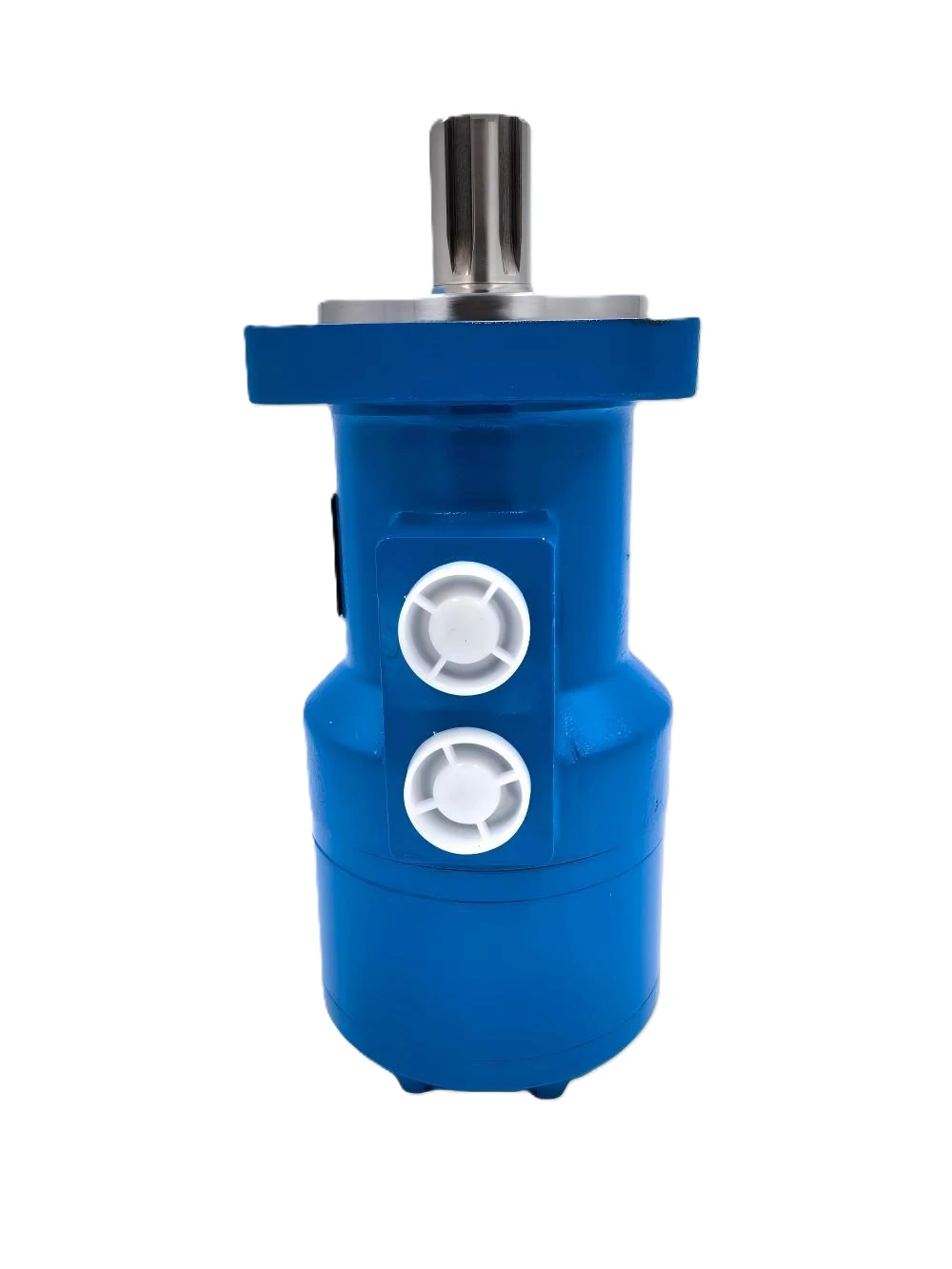
I motori idraulici funzionano come attuatori rotanti, convertendo l'energia idraulica del fluido in pressione in energia meccanica di rotazione. Il fondamento operativo si basa sulla legge di Pascal, secondo la quale una pressione esterna applicata a un fluido confinato viene trasmessa senza variazioni in tutto il fluido. Una pompa idraulica elettrica genera tipicamente questo flusso pressurizzato, che viene poi diretto all'ingresso del motore. Internamente, il motore possiede un meccanismo, come ingranaggi, palette o pistoni, che presenta una superficie per il fluido in ingresso. Il differenziale di pressione tra queste superfici crea una forza sbilanciata che genera una coppia netta che aziona l'albero di uscita. La cilindrata del motore, ovvero il volume di fluido necessario per produrre un giro, determina la relazione tra la portata in ingresso e la velocità in uscita, nonché tra la pressione in ingresso e la coppia in uscita. Il design di questi componenti interni classifica i motori in tipi come i motori a ingranaggi, a palette e a pistoni, ognuno dei quali offre caratteristiche prestazionali distinte adatte a diverse applicazioni industriali e mobili.
Punti di forza
- I motori idraulici convertono la pressione e la portata del fluido in coppia e velocità di rotazione.
- I tre modelli principali sono i motori a ingranaggi, a palette e a pistoni, ciascuno con vantaggi specifici.
- La cilindrata del motore influenza direttamente le caratteristiche di velocità e coppia in uscita.
- La comprensione del principio di funzionamento del motore idraulico è fondamentale per l'ottimizzazione del sistema.
- L'efficienza è determinata dall'attrito meccanico e dalle perdite interne di fluido.
- La corretta integrazione del sistema con pompe, valvole e filtri garantisce la longevità del motore.
- La contaminazione è una causa primaria di guasto prematuro del motore e di degrado delle prestazioni.
Indice dei contenuti
- Principio 1: La conversione fondamentale dell'energia
- Principio 2: L'architettura del movimento - Meccanismi interni
- Principio 3: Spostamento e impatto sulle prestazioni
- Principio 4: Ricerca dell'efficienza - Superare le perdite
- Principio 5: Integrazione e controllo del sistema
- Domande frequenti (FAQ)
- Conclusione
- Riferimenti
Principio 1: La conversione fondamentale dell'energia
L'essenza stessa del funzionamento di un motore idraulico è una storia di trasformazione. È un dispositivo che prende una forma di energia - l'energia idraulica o fluida - e la converte magistralmente in un'altra: l'energia meccanica sotto forma di rotazione. Per comprendere il principio di funzionamento del motore idraulico, bisogna innanzitutto capire la natura dell'energia che riceve. Non si tratta di un fluido qualsiasi, ma di un olio idraulico accuratamente selezionato, pressurizzato e messo in movimento da una pompa.
Immaginate un fiume potente. L'acqua stessa possiede energia potenziale dovuta alla sua altezza ed energia cinetica dovuta al suo movimento. Una ruota idraulica collocata in questo fiume intercetta questa energia e la forza dell'acqua che spinge contro le sue pale fa girare la ruota, svolgendo un lavoro utile come la macinazione del grano. Un motore idraulico funziona secondo un principio simile, anche se molto più controllato e potente. Il "fiume" è il flusso del fluido idraulico e la "ruota idraulica" è il meccanismo interno del motore. L'intero processo inizia con la generazione di questa energia.
La fonte della potenza: Capire la pressione e il flusso del fluido idraulico
Il viaggio inizia con una pompa idraulica, che è il cuore di qualsiasi sistema idraulico. Spesso si tratta di una pompa idraulica elettrica, che utilizza un motore elettrico per azionare i suoi componenti interni. La pompa non crea pressione, bensì flusso. Si pensi che spinge un volume specifico di fluido nelle linee idrauliche durante ogni rotazione.
La pressione nasce quando questo flusso incontra una resistenza. Cosa oppone resistenza? Il carico del motore idraulico. Se il motore sta cercando di far girare un argano pesante o di azionare le ruote di una grande macchina movimento terra, la resistenza è notevole. Secondo la legge di Pascal, la pressione necessaria per vincere questa resistenza si accumula in tutto il fluido confinato nel sistema. Quindi, la pompa eroga il flusso e il carico determina la pressione.
Questo fluido pressurizzato, che ora trasporta un'enorme quantità di energia potenziale, viaggia attraverso tubi e tubazioni fino alla porta di ingresso del motore idraulico. È qui che inizia il vero processo di conversione. Il fluido è pronto a rilasciare l'energia immagazzinata e a lavorare.
Dalla forza lineare al movimento rotatorio: Il cuore meccanico del motore
Una volta che il fluido pressurizzato entra nell'alloggiamento del motore, incontra le superfici del gruppo rotante interno del motore. Potrebbe trattarsi dei denti di una serie di ingranaggi, delle palette estese di un rotore scanalato o delle facce dei pistoni all'interno di un blocco cilindri. La chiave è che il design crea uno squilibrio di pressione.
Consideriamo un semplice esempio. Se si avesse una ruota a pale all'interno di un tubo sigillato e si introducesse del fluido in pressione, il fluido spingerebbe su tutte le pale allo stesso modo e non accadrebbe nulla. Un motore idraulico, invece, è progettato in modo da esporre alcune superfici all'alta pressione in ingresso, mentre altre superfici sono esposte alla bassa pressione in uscita.
Questa differenza di pressione (ΔP, o delta P) su una data superficie (A) genera una forza (F = ΔP × A). Poiché queste superfici fanno parte di un gruppo rotante, questa forza lineare viene applicata a una certa distanza dal centro di rotazione, creando un momento di rotazione, o ciò che chiamiamo coppia. Il motore è stato progettato in modo ingegnoso per eseguire una sequenza continua di questo processo, assicurando che, mentre il motore ruota, nuove superfici vengano costantemente presentate al fluido ad alta pressione, sostenendo una coppia in uscita e una rotazione continue. Il fluido a bassa pressione, dopo aver svolto il suo lavoro, viene spinto fuori dalla porta di uscita del motore e riportato nel serbatoio del sistema.
Coppia e velocità: le due facce della produzione meccanica
La potenza meccanica prodotta da un motore idraulico ha due componenti: la coppia e la velocità (velocità di rotazione). Questi due fattori sono inversamente correlati per una data potenza idraulica assorbita. Si può avere una coppia elevata a bassa velocità o una coppia bassa ad alta velocità.
La coppia è la forza di rotazione del motore, il suo "muscolo". È principalmente una funzione della pressione del sistema'e della cilindrata del motore'(un concetto che approfondiremo in seguito). Una pressione più elevata o una maggiore cilindrata del motore determinano una coppia di uscita più elevata. Questo è il motivo per cui i sistemi idraulici sono preferiti per le applicazioni pesanti: possono generare un'immensa forza di rotazione in un pacchetto compatto.
La velocità, invece, è la velocità di rotazione dell'albero di uscita del motore, tipicamente misurata in giri al minuto (RPM). La velocità è direttamente proporzionale alla portata del fluido della pompa. Se si invia più fluido (ad esempio, litri al minuto) al motore, questo girerà più velocemente. Se si riduce il flusso, il motore rallenta. Questa relazione fornisce un modo straordinariamente semplice per controllare la velocità di macchinari pesanti con grande precisione, semplicemente regolando il volume di fluido inviato al motore.
Principio 2: L'architettura del movimento - Meccanismi interni
Sebbene tutti i motori idraulici funzionino in base allo stesso principio fondamentale di conversione dell'energia, la loro architettura interna - il macchinario che traduce la pressione del fluido in rotazione - varia in modo significativo. Questa struttura interna è il modo più comune per classificarli, in quanto ne determina le caratteristiche di prestazione, il costo e l'idoneità a diversi compiti. Le tre famiglie più importanti sono i motori a ingranaggi, a palette e a pistoni. Ognuna di esse rappresenta una diversa soluzione ingegneristica allo stesso problema: come creare una coppia efficiente e affidabile da un differenziale di pressione. La scelta di quello giusto richiede una comprensione del loro funzionamento interno.
| Tipo di motore | Principio di funzionamento | Intervallo di pressione tipico | Intervallo di velocità tipico | Efficienza complessiva | Applicazioni comuni |
|---|---|---|---|---|---|
| Motori a ingranaggi | Il fluido in pressione costringe gli ingranaggi a ruotare. Lo sbilanciamento della forza sui denti dell'ingranaggio crea una coppia. | Da basso a medio (fino a 250 bar) | Ampio (500-4000 giri/min) | 70-85% | Convogliatori, ventilatori, attrezzature mobili leggere, servosterzi. |
| Motori a palette | Il fluido spinge sulle palette che possono scorrere dentro e fuori dal rotore. Un anello a camme sfalsato provoca la rotazione. | Da basso a medio (fino a 175 bar) | Ampio (100-4000 giri/min) | 75-90% | Miscelatori industriali, macchine per lo stampaggio a iniezione, macchine utensili. |
| Motori a pistoni | Il fluido agisce su pistoni alternativi, che spingono contro un piatto oscillante o un asse piegato, costringendo il blocco cilindri a ruotare. | Da alto a molto alto (fino a 450 bar) | Molto ampio (1-6000+ RPM) | 85-97% | Macchinari per l'edilizia pesante, argani offshore, piattaforme di perforazione, propulsione ad anello chiuso. |
Motoriduttori: Semplicità e affidabilità
I motoriduttori sono spesso apprezzati per la loro semplicità costruttiva, la robustezza e l'economicità. Sono i cavalli di battaglia di molti sistemi idraulici in cui la precisione o l'efficienza non sono fondamentali.
Il design più comune è il motore a ingranaggi esterni. Immaginate due ingranaggi identici che si ingranano all'interno di un involucro a tenuta stagna. Un ingranaggio è quello di comando, collegato all'albero di uscita, mentre l'altro è l'ingranaggio folle. Il fluido in pressione proveniente dalla pompa viene diretto verso un lato degli ingranaggi. Il fluido rimane intrappolato nelle cavità tra i denti dell'ingranaggio e la carcassa. Non può passare attraverso il centro dove gli ingranaggi si ingranano, poiché la tolleranza è estremamente stretta. Il fluido trasporta invece gli ingranaggi lungo il perimetro dell'alloggiamento. Quando il fluido spinge sulla faccia dei denti degli ingranaggi, crea la forza che genera la coppia. Quando i denti raggiungono il lato di uscita, il fluido viene espulso a bassa pressione.
Un sottoinsieme speciale e molto significativo di motori ad ingranaggi è il motore ad ingranaggi interni, spesso chiamato gerotor o, in una forma più avanzata, motore Geroler. Sono comunemente noti come motori idraulici ad orbita. In questo caso, un ingranaggio interno (rotore) con un certo numero di denti ruota e orbita all'interno di un ingranaggio esterno (statore) con un dente in più. In questo modo si creano camere che si espandono e si contraggono progressivamente. Il fluido entra nelle camere in espansione, costringendo l'ingranaggio interno a ruotare e orbitare, azionando a sua volta l'albero di uscita. Questi motori sono apprezzati per la loro capacità di produrre una coppia elevata a velocità molto basse, che li rende ideali per applicazioni come la propulsione di veicoli, le coclee e i nastri trasportatori. L'azione di rotolamento del design Geroler riduce l'attrito e l'usura, migliorando l'efficienza e la durata.
Motori a palette: Design equilibrato ed efficienza
I motori a palette offrono un buon equilibrio tra prestazioni, efficienza e costi, collocandosi spesso in una nicchia tra i motori a ingranaggi e a pistoni. La loro caratteristica distintiva è una serie di palette piatte alloggiate in scanalature radiali all'interno di un rotore centrale. Questo rotore è collegato all'albero di uscita e ruota all'interno di un anello a camme circolare o ellittico.
Nella versione più semplice (non bilanciata), il rotore è disassato all'interno di un anello a camme circolare. Quando il rotore gira, la forza centrifuga e/o le molle spingono le palette verso l'esterno, mantenendole a contatto con la superficie interna dell'anello. Il fluido in pressione entra e spinge sulle facce esposte delle palette nella camera più grande creata dal disassamento, costringendo il rotore a girare. L'area delle palette esposta all'alta pressione è maggiore di quella esposta alla bassa pressione, creando la coppia netta.
Un progetto più avanzato e comune è il motore a palette bilanciate. In questo caso, l'anello a camme è ellittico, non circolare. In questo modo si creano due zone ad alta pressione e due zone a bassa pressione direttamente opposte tra loro. Le forze idrauliche sul rotore sono quindi bilanciate, il che riduce drasticamente il carico sui cuscinetti dell'albero e aumenta significativamente la durata del motore e la sua capacità di gestire la pressione. I motori a palette sono noti per la loro bassa rumorosità e la buona efficienza volumetrica.
Motori a pistoni: Precisione e alta densità di potenza
Quando un'applicazione richiede le massime prestazioni - che si tratti di pressione estrema, alta efficienza, controllo preciso o alta densità di potenza - i motori a pistoni sono i campioni indiscussi. Anche se più complessi e costosi, le loro capacità sono ineguagliabili. Funzionano secondo il principio dei pistoni alternativi che si muovono all'interno di un blocco cilindri.
Esistono due categorie principali:
-
Motori a pistoni assiali: In questa configurazione, i pistoni sono disposti parallelamente all'asse di rotazione principale del motore. Il tipo più comune è il motore a piatto oscillante. I pistoni sono alloggiati in un blocco cilindri rotante. Le estremità dei pistoni poggiano su una piastra angolata chiamata piatto oscillante. Quando il fluido in pressione viene convogliato ai pistoni, questi vengono spinti verso l'esterno. Poiché spingono contro una superficie angolata, questo movimento lineare si traduce in una forza di rotazione che fa girare il blocco cilindri e l'albero di uscita collegato. L'angolo del piatto oscillante determina la corsa del pistone e quindi la cilindrata del motore. Nei modelli a cilindrata variabile, questo angolo può essere modificato durante il funzionamento, consentendo un controllo dinamico del rapporto velocità/coppia. Un altro progetto assiale è il motore ad asse inclinato, in cui l'intero blocco cilindri è angolato rispetto all'albero motore, ottenendo un effetto simile ma spesso con un'efficienza ancora maggiore.
-
Motori a pistoni radiali: In questa configurazione, i pistoni sono disposti radialmente, come i raggi di una ruota, rivolti verso l'esterno dell'albero centrale. I pistoni spingono contro una camma o un albero centrale eccentrico. Quando il fluido spinge i pistoni verso l'esterno, questi spingono sui lobi della camma, costringendo l'alloggiamento o l'albero a ruotare. Questi motori eccellono nel produrre una coppia estremamente elevata a velocità molto basse, anche fino a una frazione di giro al minuto. Il loro design robusto li rende adatti alle applicazioni più impegnative, come le perforatrici di tunnel, gli argani di grandi dimensioni e le macchine per lo stampaggio a iniezione della plastica.
La scelta di questa famiglia di motori idraulici è una decisione ingegneristica critica, che bilancia la potenza grezza dei modelli a pistoni con l'affidabilità economica dei tipi a ingranaggi.
Principio 3: Spostamento e impatto sulle prestazioni
Se si chiedesse a un esperto di oleodinamica qual è la caratteristica più importante di un motore idraulico, probabilmente indicherebbe la sua cilindrata. La cilindrata è una specifica che racchiude le dimensioni del motore e il suo rapporto fondamentale con il fluido idraulico che lo alimenta. Formalmente, la cilindrata del motore è il volume teorico di fluido necessario per far girare l'albero di uscita del motore per un giro completo. In genere si misura in centimetri cubi per giro (cc/giro) o pollici cubi per giro (in³/giro).
Per quanto riguarda questo concetto in modo più tangibile, la cilindrata è il volume interno delle camere di lavoro del motore. Per un motore a ingranaggi, è il volume delle tasche tra i denti dell'ingranaggio. Nel caso di un motore a pistoni, è il volume totale percorso da tutti i pistoni in una rotazione. Questo singolo valore è la chiave che sblocca le due equazioni principali delle prestazioni di qualsiasi motore idraulico: una per la velocità e una per la coppia. Capire la cilindrata significa capire come prevedere e controllare il comportamento di un motore.
| Metrica delle prestazioni | Fattori d'influenza | Implicazioni pratiche per la selezione e il funzionamento |
|---|---|---|
| Coppia (uscita) | Pressione, cilindrata, efficienza meccanica | Per aumentare la coppia, è necessario aumentare la pressione del sistema o scegliere un motore con una cilindrata maggiore. Un motore più grande produrrà più forza a parità di pressione. |
| Velocità (uscita) | Portata, cilindrata, rendimento volumetrico | Per aumentare la velocità, è necessario aumentare la portata della pompa. A parità di portata, un motore con una cilindrata inferiore girerà più velocemente. |
| Potenza (uscita) | Pressione, portata, efficienza complessiva | La potenza è il prodotto di coppia e velocità. La massima potenza si ottiene ottimizzando sia la pressione che la portata fornita al motore, tenendo conto della sua efficienza. |
| Efficienza (complessiva) | Distanze interne, viscosità del fluido, pressione d'esercizio, velocità | I motori di qualità superiore (come quelli a pistoni) hanno un'efficienza migliore. Il funzionamento di un motore al di fuori della sua gamma ideale di pressione e velocità può ridurre drasticamente l'efficienza. |
Calcolo della velocità: il ruolo della portata
La relazione tra flusso del fluido e velocità del motore è diretta e intuitiva. Più fluido si spinge attraverso il motore al minuto, più giri compie in quel minuto. La cilindrata è la costante di proporzionalità che li collega.
La formula teorica è:
Velocità (RPM) = [Portata (litri al minuto) × 1000] / Cilindrata (cc/giro)
Facciamo un esempio. Supponiamo di avere una pompa idraulica elettrica che eroga una portata costante di 40 litri al minuto a un motore con una cilindrata di 80 cc/giro.
Velocità = (40 L/min × 1000 cc/L) / 80 cc/giro = 40000 / 80 = 500 giri/min.
Se si sostituisce il motore con uno più piccolo, ad esempio con una cilindrata di 40 cc/giro, mantenendo la stessa portata:
Velocità = (40 L/min × 1000 cc/L) / 40 cc/giro = 1000 giri/min.
Il motore più piccolo gira due volte più velocemente con lo stesso flusso in ingresso. Questo dimostra un compromesso fondamentale: per una potenza idraulica fissa in ingresso, i motori di cilindrata minore sono dispositivi ad alta velocità e bassa coppia, mentre i motori di cilindrata maggiore sono dispositivi a bassa velocità e alta coppia.
Calcolo della coppia: La funzione della pressione
La coppia, la forza di rotazione, è una funzione della pressione che agisce sulle superfici interne del motore. Anche in questo caso, la cilindrata è l'anello critico che definisce la relazione. Un motore con una cilindrata maggiore ha una superficie interna più ampia su cui agisce la pressione e quindi genera una coppia maggiore per una data pressione.
La formula teorica della coppia è:
Coppia (Newton-metri, Nm) = [Pressione (bar) × Cilindrata (cc/giro)] / (20 × π)
Consideriamo di nuovo il nostro motore da 80 cc/giro. Se la pressione del sistema necessaria per spostare il carico è di 150 bar:
Coppia = (150 bar × 80 cc/giro) / (20 × 3,14159) ≈ 12000 / 62,83 ≈ 191 Nm
Ora, cosa succede se abbiamo bisogno di una coppia maggiore per gestire un carico più pesante, ma la pressione massima della pompa'è limitata a 150 bar? Dovremmo scegliere un motore con una cilindrata maggiore. Proviamo con un motore da 120 cc/giro:
Coppia = (150 bar × 120 cc/giro) / (20 × 3,14159) ≈ 18000 / 62,83 ≈ 286 Nm
Aumentando la cilindrata del motore'abbiamo aumentato in modo significativo la sua coppia in uscita senza modificare la pressione del sistema. Si tratta di un principio fondamentale nella progettazione dei macchinari, dove una gamma di potenti motori idraulici sono scelti in base ai requisiti di coppia specifici dell'applicazione.
Spostamento fisso o variabile: Adattare la potenza al compito
In base al concetto di cilindrata, i motori idraulici si dividono in due grandi categorie:
-
Motori a cilindrata fissa: La maggior parte dei motori, soprattutto quelli a ingranaggi e a palette, ha una cilindrata fissa. La loro geometria interna è costante, il che significa che il volume di fluido per giro non può essere modificato. Per questi motori, l'unico modo per cambiare la velocità è modificare la portata della pompa e la coppia è gestita dalla pressione del sistema. Offrono semplicità e affidabilità.
-
Motori a cilindrata variabile: Alcuni motori, in particolare quelli a pistoni assiali (sia a piatto oscillante che ad asse inclinato), possono essere progettati con cilindrata variabile. Modificando meccanicamente o idraulicamente l'angolo del piatto oscillante o dell'asse inclinato, si modifica la lunghezza della corsa del pistone. Un angolo maggiore significa una corsa più lunga e una cilindrata maggiore; un angolo minore significa una corsa più corta e una cilindrata minore.
Questa capacità è incredibilmente potente. Immaginate un veicolo spinto da un motore idraulico. Quando si parte da fermi o si sale su una collina, è necessaria la massima coppia. Impostando il motore alla sua massima cilindrata, si ottiene questo risultato. Una volta che il veicolo si muove su un terreno pianeggiante, è necessaria una coppia minore ma una velocità maggiore. Riducendo la cilindrata del motore, questo girerà più velocemente a parità di flusso in ingresso dalla pompa, aumentando la velocità del veicolo. In questo modo si ottiene l'effetto di una trasmissione a variazione continua (CVT), che fornisce prestazioni ottimali in un'ampia gamma di condizioni operative senza la necessità di un complesso cambio meccanico.
Principio 4: Ricerca dell'efficienza - Superare le perdite
In un mondo ideale, ogni unità di energia idraulica fornita a un motore verrebbe convertita in energia meccanica utile all'albero di uscita. Tuttavia, nel mondo reale delle macchine fisiche, le perdite sono una conseguenza inevitabile della fisica. Il principio di funzionamento del motore idraulico è sempre mitigato dalla realtà dell'inefficienza. La comprensione di queste perdite non è solo un esercizio accademico, ma è fondamentale per prevedere con precisione il rendimento reale di un motore, gestire la generazione di calore e progettare un sistema che funzioni come previsto.
L'efficienza di un motore'è una misura dell'efficacia della conversione di energia. È espressa in percentuale ed è tipicamente suddivisa in due componenti principali: l'efficienza volumetrica e l'efficienza meccanica. Il prodotto di questi due elementi fornisce l'efficienza complessiva. Un motore con un'efficienza complessiva di 90%, quando viene alimentato con 10 kilowatt di potenza idraulica, fornirà 9 kilowatt di potenza meccanica al suo albero. Il restante 1 kilowatt viene perso, principalmente come calore.
Efficienza volumetrica: La battaglia contro le perdite interne
L'efficienza volumetrica indica la capacità del motore di utilizzare il fluido che gli viene fornito. Si tratta di una misura della capacità del motore di evitare perdite interne di fluido.
In qualsiasi motore idraulico, le parti in movimento devono presentare piccoli spazi tra i denti degli ingranaggi e l'alloggiamento, tra il pistone e l'alesaggio del cilindro o tra la punta di una paletta e l'anello della camma. Questi spazi sono necessari per consentire un velo d'olio lubrificante e per evitare che le parti si blocchino a causa dell'espansione termica. Tuttavia, questi stessi spazi forniscono un percorso per una piccola quantità di fluido ad alta pressione che può fuoriuscire direttamente verso il lato di uscita a bassa pressione senza svolgere alcun lavoro utile. Questo fenomeno è chiamato perdita interna o "slittamento".
Efficienza volumetrica (ηv) = [Portata effettiva consumata / Portata teorica] × 100%
Il flusso teorico è quello che il motore dovrebbe consumare in base alla sua cilindrata e alla sua velocità. Il flusso effettivo è sempre leggermente superiore perché include le perdite.
Le perdite aumentano con la pressione; un differenziale di pressione più elevato costringe a far passare più fluido attraverso le fessure interne. Tende inoltre ad aumentare con l'usura delle parti, che allarga i giochi. Anche la viscosità del fluido gioca un ruolo importante: un fluido più sottile (meno viscoso) perde più facilmente. I motori a pistoni, con le loro tolleranze molto strette e i progetti bilanciati in pressione, hanno in genere le più alte efficienze volumetriche, spesso superiori a 98%. I motori a ingranaggi, con un maggior numero di potenziali perdite, tendono ad avere efficienze volumetriche inferiori.
Efficienza meccanica: Vincere l'attrito e la resistenza aerodinamica
L'efficienza meccanica riguarda l'energia persa a causa dell'attrito all'interno del motore. Quando le parti interne del motore si muovono e ruotano, incontrano una resistenza di attrito. C'è attrito tra gli ingranaggi quando si ingranano, tra i pistoni e i loro fori, tra le palette e l'anello della camma e nei cuscinetti che sostengono l'albero.
Esiste anche un fenomeno chiamato resistenza del fluido. Quando il gruppo rotante gira nel fluido all'interno dell'involucro del motore, il fluido stesso crea una forza di resistenza viscosa che ostacola il movimento. Questo effetto si accentua alle alte velocità.
Tutti questi attriti richiedono una coppia per essere superati. Ciò significa che una parte della coppia teorica generata dalla pressione del fluido viene consumata internamente solo per far girare il motore. Non è disponibile all'albero di uscita per svolgere un lavoro utile.
Efficienza meccanica (ηm) = [Coppia effettiva in uscita / Coppia teorica] × 100%
La coppia teorica è quella che il motore dovrebbe produrre in base alla sua cilindrata e alla sua pressione. La coppia effettiva misurata all'albero è sempre leggermente inferiore a causa di queste perdite per attrito. L'efficienza meccanica è spesso più bassa a velocità molto basse (dove l'attrito statico è più elevato) e a velocità molto elevate (dove la resistenza del fluido diventa significativa). Di solito esiste un intervallo di velocità ottimale in cui l'efficienza meccanica è massima.
Efficienza complessiva: Una visione olistica delle prestazioni
L'efficienza complessiva è semplicemente il prodotto dell'efficienza volumetrica e meccanica. Rappresenta l'efficacia totale del motore nel convertire la potenza idraulica in potenza meccanica.
Rendimento complessivo (ηo) = Rendimento volumetrico (ηv) × Rendimento meccanico (ηm)
Oppure, in termini di potenza:
Efficienza complessiva (ηo) = [Potenza meccanica effettiva erogata / Potenza idraulica assorbita] × 100%
Ad esempio, se un motore ha un rendimento volumetrico di 95% e un rendimento meccanico di 92%, il suo rendimento complessivo è 0,95 × 0,92 = 0,874, ovvero 87,4%.
L'energia persa (12,6% in questo caso) viene convertita quasi interamente in calore. Questo calore viene trasferito al fluido idraulico, motivo per cui i sistemi idraulici più grandi spesso richiedono scambiatori di calore o raffreddatori per mantenere una temperatura operativa sicura. Il calore eccessivo degrada il fluido, danneggia le guarnizioni e può portare a un guasto prematuro dei componenti del sistema. Pertanto, la scelta di un motore ad alta efficienza non è solo una questione di risparmio energetico, ma è una parte fondamentale della progettazione di un sistema affidabile. I progetti avanzati, come quelli che si trovano nelle macchine specializzate motori idraulici orbitaliSpesso incorporano caratteristiche specifiche per ridurre al minimo le perdite meccaniche e volumetriche.
Principio 5: Integrazione e controllo del sistema
Un motore idraulico, per quanto potente o efficiente, non è un dispositivo indipendente. È un singolo componente di un ecosistema più ampio e interconnesso, noto come circuito idraulico. Le prestazioni e la longevità del motore sono inestricabilmente legate alla salute e alla progettazione di questo sistema. La comprensione del principio di funzionamento del motore idraulico da solo non è sufficiente; bisogna anche apprezzare il suo ruolo come parte di un team di componenti che lavorano di concerto. Questo sistema comprende la pompa che fornisce la potenza, il fluido che la trasmette, le valvole che la dirigono e i filtri e i raffreddatori che la proteggono.
Un'utile analogia è il sistema circolatorio umano. La pompa è il cuore, il fluido idraulico è il sangue, i tubi sono le arterie e le vene e il motore è il muscolo che esegue il lavoro. Le valvole agiscono come il cervello e il sistema nervoso, controllando dove e quando il sangue scorre per far contrarre i muscoli. Se una parte di questo sistema è compromessa - se il sangue è sporco o le arterie sono ostruite - il muscolo non può dare il meglio di sé.
Il circuito idraulico: L'ecosistema del motore
I circuiti idraulici possono essere classificati in due tipi principali: ad anello aperto e ad anello chiuso.
-
Circuiti ad anello aperto: Questa è la configurazione più comune e semplice. La pompa idraulica elettrica preleva il fluido da un serbatoio, lo invia al motore attraverso una valvola di controllo direzionale e il fluido di ritorno dal motore ritorna al serbatoio per raffreddarsi e depositarsi prima di essere utilizzato nuovamente. Questo progetto è semplice, economico e in grado di dissipare il calore perché il grande serbatoio funge da dissipatore. La maggior parte delle attrezzature mobili, come gli escavatori e le terne, utilizzano circuiti ad anello aperto per funzioni come l'oscillazione del braccio o l'azionamento delle attrezzature.
-
Circuiti ad anello chiuso: In un sistema ad anello chiuso, il fluido di ritorno dall'uscita del motore ritorna direttamente all'ingresso della pompa e non al serbatoio. La pompa e il motore sono strettamente accoppiati. Una "pompa di carica" più piccola viene utilizzata per compensare eventuali perdite interne e mantenere il circuito pressurizzato. Questo design è estremamente reattivo ed efficiente e lo rende ideale per la propulsione di veicoli (trasmissioni idrostatiche) in cui sono necessari un controllo preciso della velocità e una frenata dinamica. La direzione del motore può essere invertita semplicemente invertendo la direzione del flusso dalla pompa, senza bisogno di una grande valvola direzionale.
Valvole: I direttori dell'orchestra idraulica
Le valvole sono gli elementi di controllo del circuito. Gestiscono la direzione, la pressione e il flusso del fluido, controllando il funzionamento del motore.
-
Valvole di controllo direzionale (DCV): Queste valvole determinano il senso di rotazione del motore (avanti, indietro) o lo arrestano completamente. A tal fine, indirizzano il flusso della pompa'verso la porta 'A'del motore o 'B'e contemporaneamente collegano la porta opposta al serbatoio. Possono essere azionati manualmente da una leva, elettricamente da un solenoide o idraulicamente da un segnale pilota.
-
Valvole di controllo della pressione: La più importante di queste è la valvola di sovrapressione. Essa funge da dispositivo di sicurezza per l'intero sistema. È impostata su una pressione massima e se la pressione nel sistema cerca di superare questo limite (ad esempio, se il motore si blocca), la valvola si apre e devia il flusso della pompa verso il serbatoio, proteggendo la pompa, il motore e i tubi dalla sovrapressurizzazione. Altre valvole di pressione possono ridurre la pressione per alcune parti di un circuito o mantenere una specifica sequenza di pressione.
-
Valvole di controllo del flusso: Come abbiamo imparato, la velocità del motore è una funzione della portata. Le valvole di controllo del flusso sono utilizzate per regolare la velocità del motore. Una semplice valvola a spillo crea una restrizione per limitare il flusso, mentre i controlli di flusso più sofisticati a compensazione di pressione possono mantenere costante la velocità del motore anche se il carico (e quindi la pressione) cambia.
Controllo della contaminazione e gestione termica: Garantire la longevità
I due più grandi nemici di qualsiasi sistema idraulico sono la contaminazione e il calore.
Contaminazione: Il fluido idraulico deve essere mantenuto eccezionalmente pulito. Sporcizia, particelle metalliche dovute all'usura, acqua e fango possono rovinare un motore idraulico. Queste particelle possono intaccare le superfici di pistoni e cilindri, inceppare i delicati giochi delle valvole e causare l'usura abrasiva dei denti degli ingranaggi. Il risultato è un aumento delle perdite interne, una riduzione dell'efficienza e, in ultima analisi, un guasto catastrofico. Un filtraggio efficace non è facoltativo, ma essenziale. I filtri sulla linea di aspirazione, sulla linea di pressione e sulla linea di ritorno svolgono tutti un ruolo nel catturare i contaminanti e mantenere il fluido pulito, proteggendo così l'investimento fatto nei motori idraulici e negli altri componenti.
Gestione termica: L'energia persa per inefficienza diventa calore. Se questo calore non viene gestito, la temperatura del fluido aumenta. Le temperature elevate fanno diminuire la viscosità del fluido (rendendolo più sottile), aumentando le perdite e riducendo la lubrificazione. Temperature elevate prolungate degradano anche il fluido stesso, formando fanghi e vernici, e fanno sì che le guarnizioni diventino dure e fragili, causando perdite esterne. In molti sistemi, il serbatoio offre una superficie sufficiente per dissipare il calore. Nelle applicazioni ad alta potenza o a servizio continuo, è necessario uno scambiatore di calore (raffreddato ad aria o ad acqua) per mantenere la temperatura del fluido entro l'intervallo operativo ottimale (in genere 40-60°C).
Domande frequenti (FAQ)
Qual è la differenza fondamentale tra una pompa idraulica e un motore idraulico? Anche se spesso si assomigliano e possono condividere i componenti interni, le loro funzioni sono opposte. Una pompa idraulica converte l'energia meccanica (da un motore elettrico o da un motore) in energia idraulica (flusso e pressione). Un motore idraulico converte l'energia idraulica in energia meccanica (coppia e rotazione). Una pompa spinge e un motore viene spinto.
Come si calcola la coppia approssimativa del motore idraulico? È possibile stimare la coppia teorica utilizzando la cilindrata del motore e la pressione di esercizio del sistema. La formula è: Coppia (Nm) ≈ [Pressione (bar) × Cilindrata (cc/giro)] / 62,8. Ricordare che la coppia effettivamente utilizzabile all'albero sarà leggermente inferiore a causa delle perdite meccaniche (in genere 5-15% in meno).
Quali sono le cause più comuni di guasto del motore idraulico? La causa più comune è la contaminazione del fluido. Il particolato (sporco, scaglie metalliche) agisce come una carta vetrata liquida, causando un'usura abrasiva sulle parti interne di precisione, che aumenta le perdite e riduce le prestazioni fino al guasto. Altre cause principali sono il funzionamento a pressioni o velocità troppo elevate, il surriscaldamento del fluido, la cavitazione (formazione di bolle di vapore a causa di una pressione di ingresso insufficiente) e il tipo o la viscosità del fluido non corretti.
È possibile che un motore idraulico funzioni in retromarcia? Sì, la maggior parte dei motori idraulici è bidirezionale. Invertendo la direzione del flusso del fluido, cioè immettendo fluido in pressione nella porta che normalmente è l'uscita, il motore ruota nella direzione opposta. Questa operazione è in genere gestita da una valvola di controllo direzionale nel circuito idraulico.
Che cos'è esattamente un motore idraulico orbitale e perché è speciale? Un motore idraulico ad orbita è un tipo specifico di motore ad ingranaggi interni. Utilizza un design unico in cui un ingranaggio interno (rotore) orbita e ruota all'interno di un ingranaggio esterno fisso (statore). La sua caratteristica peculiare è la capacità di generare una coppia molto elevata a basse velocità in un pacchetto compatto e leggero. Questo lo rende ideale per applicazioni come macchine agricole, trasportatori e azionamenti di ruote, dove è necessaria una rotazione diretta, potente e lenta senza riduttore.
In che modo la temperatura del fluido influisce sulle prestazioni di un motore idraulico? La temperatura ha un effetto significativo. Quando il fluido diventa più caldo, la sua viscosità diminuisce (diventa più sottile). Un fluido più sottile aumenta le perdite interne, riducendo l’efficienza volumetrica del motore e diminuendo leggermente la coppia erogata. Al contrario, se il fluido è troppo freddo, è troppo denso (alta viscosità), il che aumenta l'attrito e la resistenza del fluido, riducendo l'efficienza meccanica e rendendo il sistema più lento. Mantenere il fluido all'interno dell'intervallo di temperatura operativa raccomandato è fondamentale per ottenere prestazioni costanti.
Conclusione
Il funzionamento di un motore idraulico è una straordinaria dimostrazione dell'armonia tra meccanica dei fluidi e ingegneria meccanica. Dalla generazione iniziale del flusso da parte di una pompa idraulica elettrica all'erogazione finale della forza di rotazione sull'albero di uscita, il processo è governato da una serie di principi fondamentali. La conversione della pressione e del flusso in coppia e velocità è il cuore del meccanismo di funzionamento del motore idraulico. L'architettura specifica del motore - la robusta semplicità di un motore a ingranaggi, il design equilibrato di un motore a palette o la precisione ad alte prestazioni di un motore a pistoni - definisce le sue capacità e il suo posto nel mondo delle macchine.
La comprensione della cilindrata fornisce la chiave matematica per prevedere la potenza del motore, mentre l'apprezzamento dell'efficienza rivela i limiti pratici delle prestazioni e l'importanza di gestire le perdite di energia. Un motore idraulico non agisce mai da solo. Il suo funzionamento è profondamente integrato con l'intero circuito idraulico, dalle valvole che lo controllano ai filtri che lo proteggono. La comprensione di questi principi interconnessi consente a ingegneri, tecnici e operatori di scegliere i componenti giusti, progettare sistemi affidabili e diagnosticare efficacemente i problemi. Questa conoscenza trasforma il motore da una semplice scatola nera in uno strumento prevedibile e controllabile in grado di svolgere un lavoro immenso in innumerevoli settori.
Riferimenti
Libretexts. (2025). 7.3: Hydraulic Motors – Types and Applications. Engineering LibreTexts. /07%3ABasicMotorCircuits/7.03%3AHydraulicMotors-Typesand_Applications)
Potenza e movimento. (2014). Fondamenti di motori idraulici. powermotiontech.com
Quad Fluidodinamica. (2023). Panoramica dei tipi di motori idraulici. quadfluiddynamics.com