.png)
.png)
.png)


Are SAI Hydraulic Motors the Right Choice for High-Torque Industrial Applications?
Janeiro 22, 2026
SAI hydraulic motors are often discussed in procurement meetings when engineers and purchasing managers evaluate high-torque, low-speed drive solutions for demanding industrial environments. The question is not simply whether SAI hydraulic motors perform well, but whether they deliver the right balance of torque density, durability, efficiency, and lifecycle cost for specific applications. For B2B buyers, OEMs, and system integrators, understanding where these motors excel and how they compare with alternative technologies is critical to making confident sourcing decisions.
This article explores the technical characteristics of SAI hydraulic motors, their common use cases, and the broader considerations that hydraulic motor buyers should evaluate when selecting suppliers and motor types.
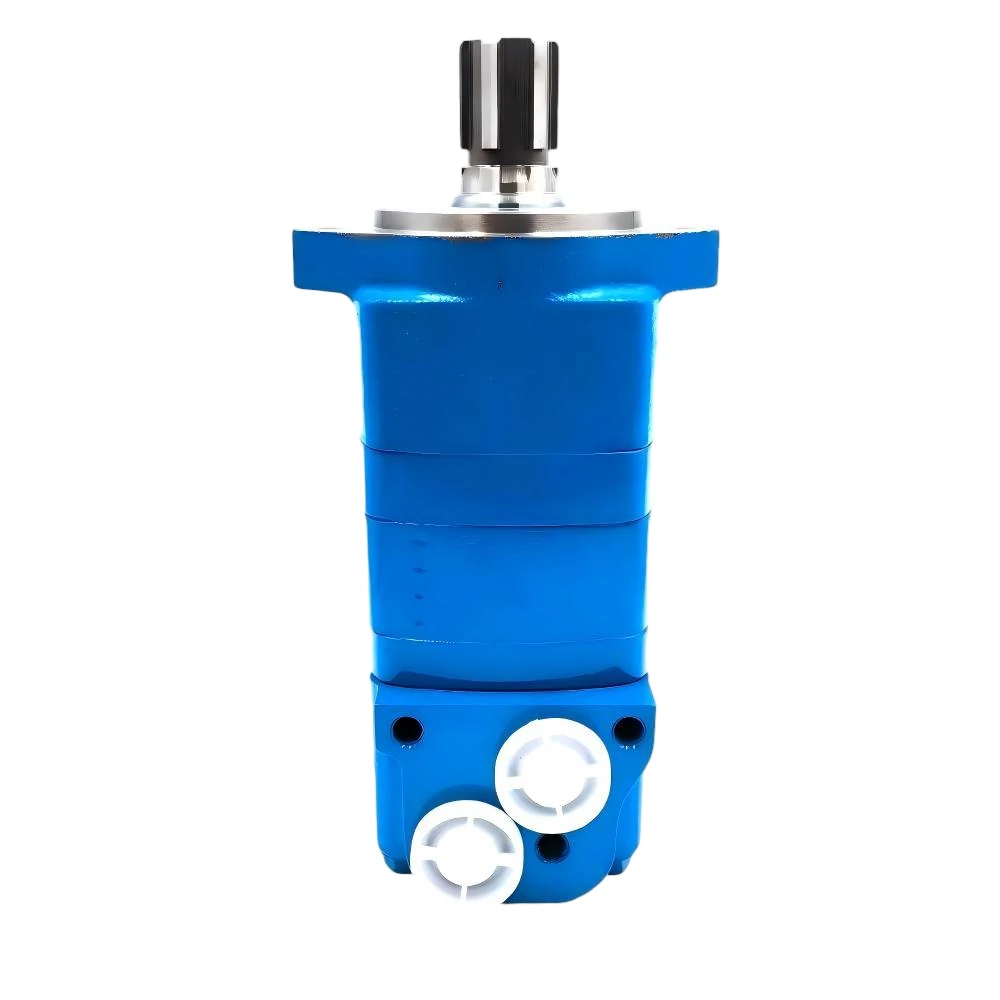
What Are SAI Hydraulic Motors and How Do They Work?
To assess suitability, it is first necessary to understand what defines SAI hydraulic motors from a functional and design perspective.
Core Operating Principles
SAI hydraulic motors are typically associated with high-torque radial piston or orbital motor designs. These motors convert hydraulic energy into mechanical rotation by applying pressurized fluid against internal pistons or gear elements arranged around a central shaft. The result is smooth rotation with strong starting torque, even at very low speeds.
This operating principle makes them particularly attractive in applications where heavy loads must be moved precisely and reliably.
Design Characteristics
Key design attributes often associated with SAI hydraulic motors include robust housings, optimized internal sealing, and high volumetric efficiency. These features allow stable operation under fluctuating loads and harsh environmental conditions.
From a buyer’s standpoint, such design choices directly influence service life, maintenance intervals, and total cost of ownership.
Why Are SAI Hydraulic Motors Used in High-Torque Applications?
The reputation of SAI hydraulic motors is closely tied to their torque performance.
High Starting Torque and Low-Speed Stability
Many industrial processes require motors that can start under load without jerking or stalling. SAI hydraulic motors are well suited to these requirements due to their internal geometry and pressure distribution.
This makes them common in conveyors, winches, mixers, drilling equipment, and mobile machinery where controlled motion is essential.
Load Shock Resistance
In applications such as mining or material handling, sudden load changes are unavoidable. Motors with strong internal support structures and evenly distributed forces are better able to withstand shock loads.
This is one reason SAI hydraulic motors are frequently specified in heavy-duty system designs.
How Do SAI Hydraulic Motors Compare with Other Motor Types?
Understanding alternatives helps buyers determine whether SAI hydraulic motors are the optimal choice.
Comparison with Gear and Vane Motors
Gear motors are compact and cost-effective but typically lack the torque smoothness and low-speed control required in heavy-duty applications. Vane motors offer good efficiency but may struggle under high-pressure, high-load conditions.
In contrast, SAI hydraulic motors emphasize torque stability and durability, often at the expense of higher initial cost.
Alignment with Different Motor Categories
A structured understanding of the tipos de motores hidráulicos allows buyers to map motor characteristics to application requirements. Radial piston and orbital motors, including SAI-style designs, consistently rank high for torque-intensive use cases.
Key Technical Criteria Buyers Should Evaluate
Selecting a motor involves more than brand recognition.
Pressure Rating and Displacement
Pressure tolerance determines how much torque a motor can generate, while displacement affects speed and flow requirements. Buyers must ensure that motor specifications align with system pressure limits and pump capacity.
Incorrect matching can lead to inefficiencies or premature wear.
Efficiency and Heat Management
High-efficiency motors convert more hydraulic energy into useful work, reducing heat generation. Excessive heat accelerates seal degradation and oil breakdown.
For continuous-duty operations, efficiency metrics should be carefully reviewed during procurement.
Mounting and Integration
SAI hydraulic motors are often integrated into complex systems. Mounting options, shaft configurations, and port orientations all affect installation time and compatibility with existing equipment.
Working with an experienced fornecedor de motores hidráulicos reduces integration risks and ensures documentation accuracy.
Typical Applications of SAI Hydraulic Motors
Understanding where these motors are commonly deployed helps buyers assess relevance.
Construction and Earthmoving Equipment
Excavators, drilling rigs, and pile drivers rely on motors capable of delivering steady torque under variable loads. SAI hydraulic motors are frequently selected for rotation drives and auxiliary systems.
Industrial Manufacturing and Processing
In mixers, crushers, and heavy conveyors, precise speed control and high torque at low RPM are critical. These environments also demand long service intervals and predictable performance.
Mobile and Off-Highway Machinery
Agricultural and forestry machines often operate in dirty, high-vibration environments. Motors with strong sealing and structural integrity perform better over time.
Performance Comparison Table
The following table summarizes how SAI hydraulic motors compare with other common hydraulic motor categories from a buyer’s perspective.
| Tipo de motor | Torque Capability | Low-Speed Stability | Typical Applications | Relative Cost |
|---|---|---|---|---|
| Motor de engrenagem | Baixo a médio | Limited | Light machinery | Baixa |
| Motor de palhetas | Médio | Moderado | Industrial automation | Médio |
| Motor Orbital | Médio a elevado | Bom | Mobile equipment | Médio |
| SAI Hydraulic Motor | Elevado | Excelente | Heavy-duty machinery | Médio a elevado |
The Role of Orbital Technology in SAI-Style Designs
Many SAI hydraulic motors share characteristics with orbital motor technology.
Smooth Power Transmission
Orbital designs distribute forces evenly across internal components, reducing vibration and wear. This contributes to smoother operation and longer service life.
Compact Torque Solutions
Orbital motors offer high torque in relatively compact packages, making them suitable for space-constrained systems.
For buyers evaluating similar solutions, hydraulic orbit motors represent an important category to consider alongside SAI hydraulic motors.
Contact Recte to discuss your hydraulic motor requirements
Lifecycle Cost Considerations for Procurement Teams
Initial price is only one part of the purchasing equation.
Maintenance and Spare Parts
Motors used in harsh environments must be easy to service. Seal kits, bearings, and shafts should be readily available, and maintenance procedures should be well documented.
A motor with slightly higher upfront cost may deliver lower lifetime expense through reduced downtime.
Reliability and Downtime Risk
Unplanned downtime in industrial systems can be far more expensive than the motor itself. Buyers increasingly prioritize proven designs and suppliers with strong quality control systems.
This is particularly relevant for motors installed in remote or difficult-to-access locations.
How to Choose the Right Supplier for SAI Hydraulic Motors
The supplier relationship often determines long-term success.
Technical Support and Customization
Many applications require customized shaft options, mounting flanges, or port configurations. Suppliers with in-house engineering capabilities can adapt motors without compromising reliability.
Quality Assurance and Testing
Pressure testing, efficiency validation, and material inspection are essential. Buyers should request documentation and test data as part of the evaluation process.
Supply Chain Stability
Consistent lead times and stable production capacity are critical for OEMs and large-scale operators. Supplier reliability directly affects project schedules and inventory planning.
FAQ: Buyer Questions About SAI Hydraulic Motors
Q1: What are SAI hydraulic motors best suited for?
They are best suited for high-torque, low-speed applications where smooth operation and durability are critical.
Q2: Are SAI hydraulic motors energy efficient?
When properly sized and matched to the system, they offer good volumetric and mechanical efficiency, especially under heavy loads.
Q3: How do they compare to orbital motors?
They share similar torque advantages, though specific performance depends on design and application requirements.
Q4: Are these motors suitable for continuous-duty operation?
Yes, provided heat management and fluid quality are properly maintained.
Q5: What should buyers check before purchasing?
Pressure ratings, displacement, mounting compatibility, and supplier support capabilities are key factors.
About Recte
Recte is a professional hydraulic motor manufacturer and solution provider, serving OEMs, distributors, and industrial operators worldwide. We specialize in reliable, high-performance hydraulic motors designed for demanding applications, with a strong focus on engineering support, quality control, and long-term value. By combining technical expertise with responsive service, Recte helps customers optimize system performance and reduce lifecycle costs.
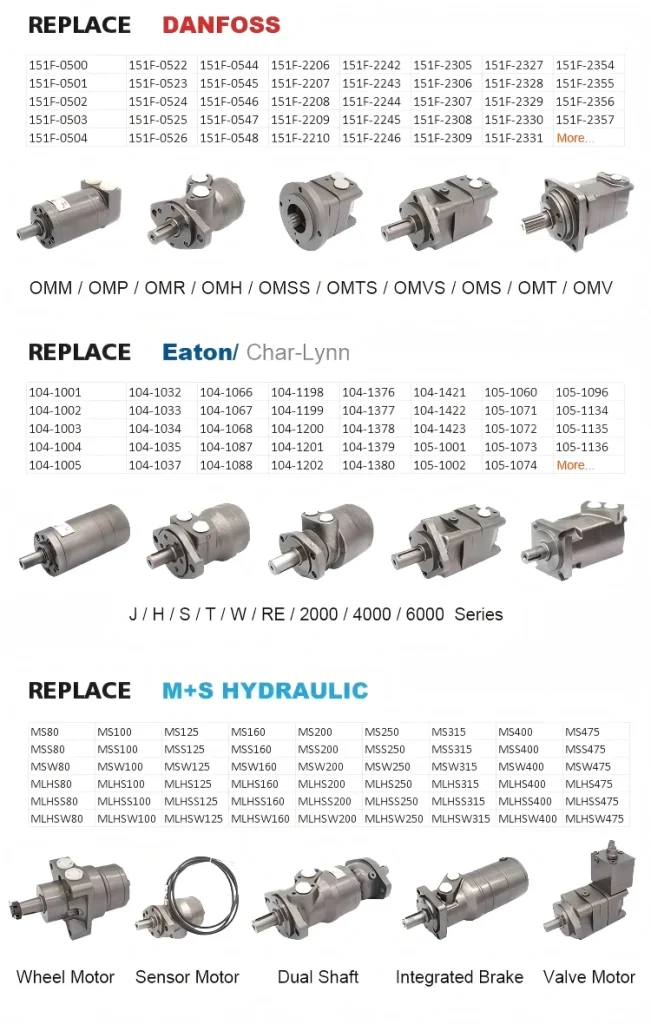
Referências
- Wikipedia – Hydraulic Motor: https://en.wikipedia.org/wiki/Hydraulic_motor
- Encyclopaedia Britannica – Hydraulics: https://www.britannica.com/technology/hydraulics
- ISO – Fluid Power Systems and Components
- Engineering Explained – Hydraulic Systems Basics

