.png)
.png)


Are Poclain Hydraulic Motors the Right Choice for Heavy-Duty Mobile and Industrial Applications?
Январь 15, 2026
For OEMs, fleet owners, and procurement managers evaluating poclain hydraulic motors, the real question is not brand recognition but application fit. Poclain hydraulic motors are widely known for high torque density, robustness, and suitability for demanding mobile equipment. In short, they are often an excellent choice for off-road machinery, construction equipment, and agricultural applications where reliability under shock loads and variable speeds is essential.
However, choosing the right hydraulic motor requires more than selecting a well-known name. Decision-makers must consider operating pressure, displacement range, duty cycle, efficiency, serviceability, and supply continuity. In this article, we examine where Poclain hydraulic motors fit best, how they compare to alternative solutions, and how industrial buyers can make informed sourcing decisions aligned with long-term performance and cost control.
Understanding Poclain Hydraulic Motors and Their Core Strengths
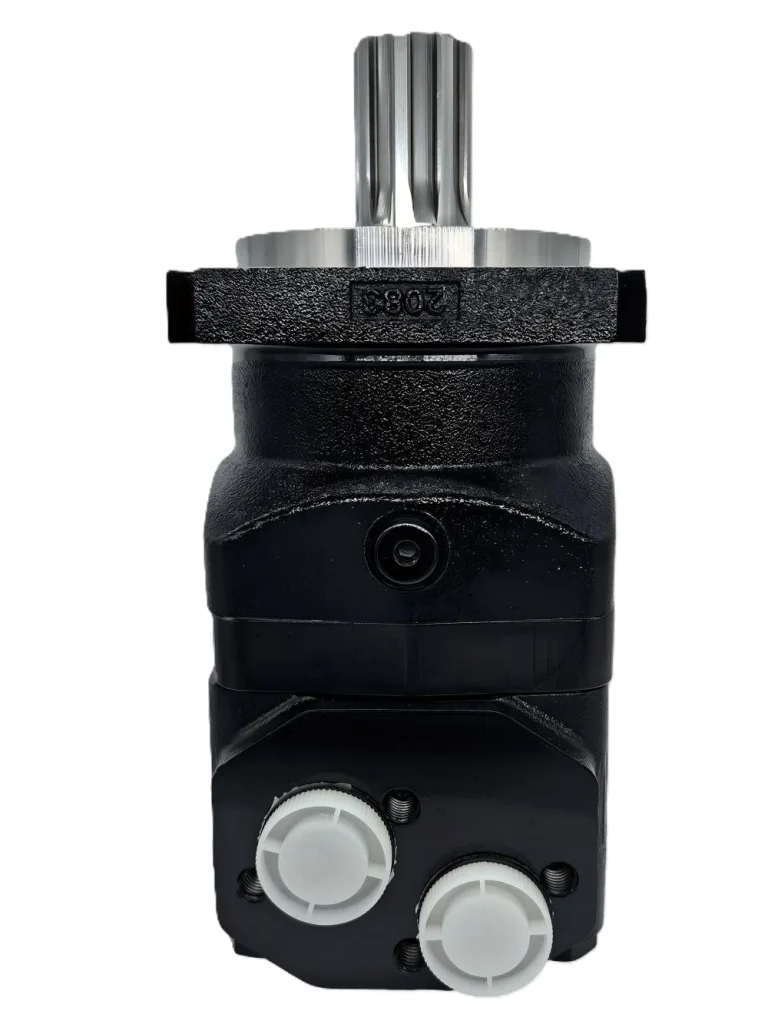
Poclain hydraulic motors are most commonly associated with radial piston designs. This configuration allows them to deliver very high torque at low speeds while maintaining smooth operation. For mobile machinery operating in rough terrain or under fluctuating loads, this torque characteristic is often a decisive advantage.
Another defining feature is modularity. Poclain motors are available in a wide range of displacements, mounting configurations, and shaft options, making them adaptable to various drivetrains. This flexibility helps OEMs standardize platforms while still tailoring performance to specific machines.
From a lifecycle perspective, durability is a key strength. These motors are designed to withstand high pressure peaks, shock loads, and frequent direction changes. In industries where downtime translates directly into lost revenue, this resilience plays a critical role in total cost of ownership.
How Poclain Motors Compare to Other Hydraulic Motor Technologies
To evaluate whether poclain hydraulic motors are the best option, it is important to compare them with other common motor types such as gear motors, vane motors, and axial piston motors.
Gear motors are compact and cost-effective, making them suitable for light-duty applications. However, they typically lack the torque density and shock resistance required for heavy-duty mobile equipment.
Vane motors offer smooth operation and moderate efficiency, but their sensitivity to contamination and pressure limits can restrict their use in harsh environments.
Axial piston motors provide high efficiency and are often used in closed-loop systems, particularly in hydrostatic transmissions. While highly efficient, they may not always match the low-speed torque performance and robustness of radial piston designs in severe operating conditions.
This comparison explains why Poclain motors are frequently selected for applications where torque, durability, and operational flexibility are prioritized over compactness or initial cost.
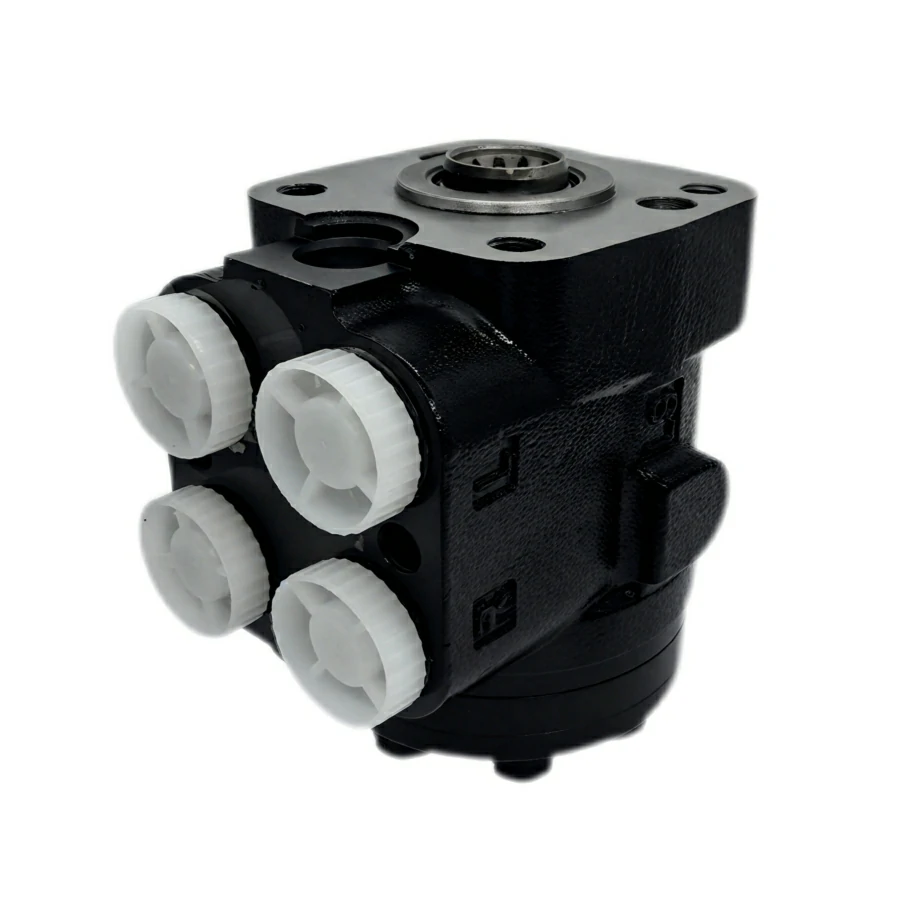
Application Scenarios Where Poclain Hydraulic Motors Excel
Poclain hydraulic motors are most commonly found in mobile and off-highway equipment. Typical applications include construction machinery such as excavators and loaders, agricultural equipment like harvesters and sprayers, and material handling systems including forklifts and conveyor drives.
In these environments, motors must perform reliably under variable loads, dirt exposure, and frequent start-stop cycles. Radial piston motors are particularly well-suited to these conditions because they maintain high efficiency at low speeds and tolerate pressure fluctuations.
From a sourcing standpoint, many buyers also consider availability and support. Working with a оптовый гидравлический двигатель supplier ensures consistent supply for both OEM production and aftermarket replacement, which is especially important for fleets operating across multiple regions.
Key Technical Parameters Buyers Should Evaluate
When assessing poclain hydraulic motors or comparable alternatives, decision-makers should focus on several critical technical parameters rather than relying solely on brand reputation.
Displacement and speed range determine whether the motor can deliver required torque without oversizing. Operating pressure and pressure peaks indicate suitability for heavy-duty cycles. Efficiency across the operating range affects fuel consumption and heat generation, especially in mobile equipment.
Mounting interface and shaft design influence integration complexity. Standardized interfaces reduce installation time and simplify maintenance, while proprietary configurations may increase dependency on a single supplier.
Finally, serviceability matters. Motors designed for easier inspection and component replacement can significantly reduce maintenance costs over the equipment lifecycle.
Comparing Hydraulic Motor Types for Industrial Buyers
The table below provides a simplified comparison of common hydraulic motor types, highlighting where radial piston motors such as Poclain designs typically stand.
Table 1: Comparison of Common Hydraulic Motor Types
| Тип двигателя | Torque at Low Speed | Pressure Tolerance | Typical Applications |
|---|---|---|---|
| Gear Motor | От низкого до среднего | Средний | Light industrial, auxiliary drives |
| Флюгерный двигатель | Средний | Средний | Industrial machinery, conveyors |
| Аксиально-поршневой двигатель | Medium to High | Высокий | Hydrostatic transmissions |
| Radial Piston Motor | Очень высокий | Очень высокий | Construction, agriculture, heavy mobile |
This comparison helps clarify why Poclain-style radial piston motors are often selected for demanding mobile applications.
The Importance of Choosing the Right Manufacturer Partner
Beyond motor selection, the choice of a hydraulic motors manufacturer has a significant impact on long-term performance and supply reliability. Manufacturers with strong engineering capabilities can provide guidance on motor sizing, system integration, and troubleshooting.
They also play a key role in supporting customization, whether through tailored mounting options, specific displacement ranges, or performance tuning. For OEMs, this collaboration can shorten development cycles and reduce the risk of field failures.
From a procurement perspective, manufacturers with stable production capacity and global logistics networks offer greater resilience against supply chain disruptions.
Exploring Alternatives and Complementary Motor Solutions
While poclain hydraulic motors are highly capable, they are not the only solution in the market. Depending on system architecture and cost targets, buyers may consider alternative motor technologies.
Understanding the типы гидравлических моторов available allows engineers and buyers to align motor selection with system requirements rather than defaulting to a single design.
In some cases, combining different motor types within a machine can optimize performance and cost. For example, a radial piston motor may be used for primary drive functions, while gear motors handle auxiliary systems.
Procurement and Lifecycle Cost Considerations
For decision-makers, evaluating poclain hydraulic motors also involves lifecycle cost analysis. Initial purchase price is only one component. Maintenance frequency, energy efficiency, spare parts availability, and service support all contribute to total cost of ownership.
Motors with higher upfront costs but longer service intervals and lower failure rates often deliver better long-term value. This is particularly true in industries where equipment downtime carries significant financial penalties.
If your organization is assessing hydraulic motor options for a new project or fleet upgrade, engaging directly with technical specialists can clarify requirements and avoid costly missteps.
Свяжитесь с нами
Часто задаваемые вопросы
Q1: What are poclain hydraulic motors best used for?
They are best suited for heavy-duty mobile and off-highway applications requiring high torque at low speeds and strong resistance to shock loads.
Q2: Are Poclain motors suitable for continuous operation?
Yes, when properly specified and maintained, they perform well in continuous and cyclic duty applications.
Q3: How do radial piston motors differ from axial piston motors?
Radial piston motors excel in low-speed, high-torque scenarios, while axial piston motors are often chosen for high-efficiency closed-loop systems.
Q4: Can alternative manufacturers provide comparable performance?
Yes. Several manufacturers offer radial piston or high-torque motor solutions with comparable specifications, making supplier evaluation important.
Q5: What information should I provide when requesting a quotation?
Operating pressure, required torque and speed, duty cycle, mounting configuration, and environmental conditions.
Why Comdale Supports Informed Hydraulic Motor Selection
At Comdale, we understand that hydraulic motor selection is a strategic engineering decision, not a commodity purchase. As a professional supplier serving global industrial and mobile equipment markets, we focus on helping customers evaluate solutions like poclain hydraulic motors within the broader context of system performance and lifecycle value.
By combining technical expertise, application knowledge, and reliable supply capabilities, Comdale supports OEMs and operators in achieving consistent performance, reduced downtime, and long-term operational efficiency.
Ссылки
- Wikipedia, “Hydraulic motor”
https://en.wikipedia.org/wiki/Hydraulic_motor - Britannica, “Hydraulic machinery”
- Engineering ToolBox, “Hydraulic Motors”

